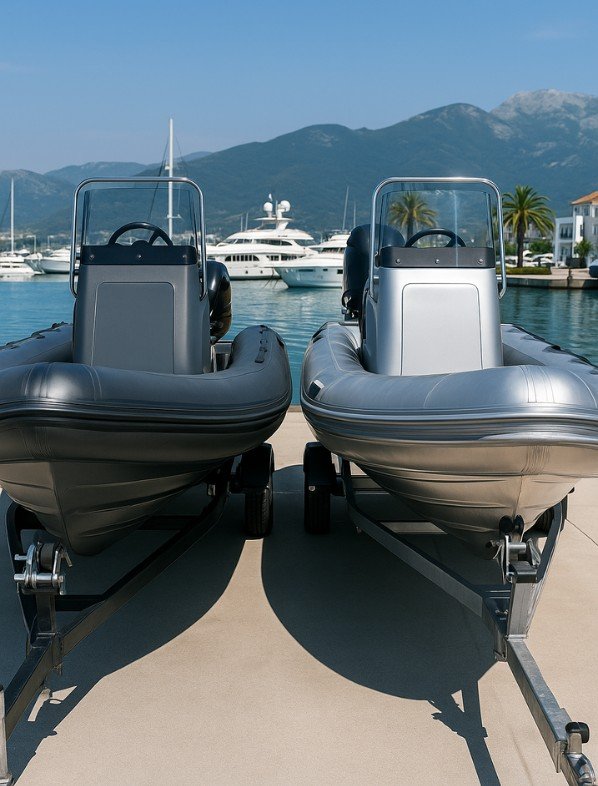
When buying a RIB or tender boat for the Adriatic coast of Montenegro, one of the most important decisions you’ll make is the hull material. The hull defines your boat’s durability, performance, and maintenance costs — and it’s the foundation of long-term satisfaction.
At Repforn Lda, we work with professional-grade RIBs and tenders built from both HDPE and aluminium, and each has its own advantages. This guide will help you understand the differences so you can choose the right one for your needs.
HDPE Hulls – Strength and Simplicity
HDPE (High-Density Polyethylene) hulls are made from a dense polymer that is molded into a single, solid piece. Unlike fiberglass or aluminium, HDPE is impact-absorbing and almost maintenance-free.
Main Advantages:
Impact and abrasion resistance – HDPE flexes under pressure instead of cracking or denting.
No corrosion – completely immune to saltwater damage.
No painting or antifouling required – saves time and costs every season.
UV resistant – unaffected by sun exposure and heat.
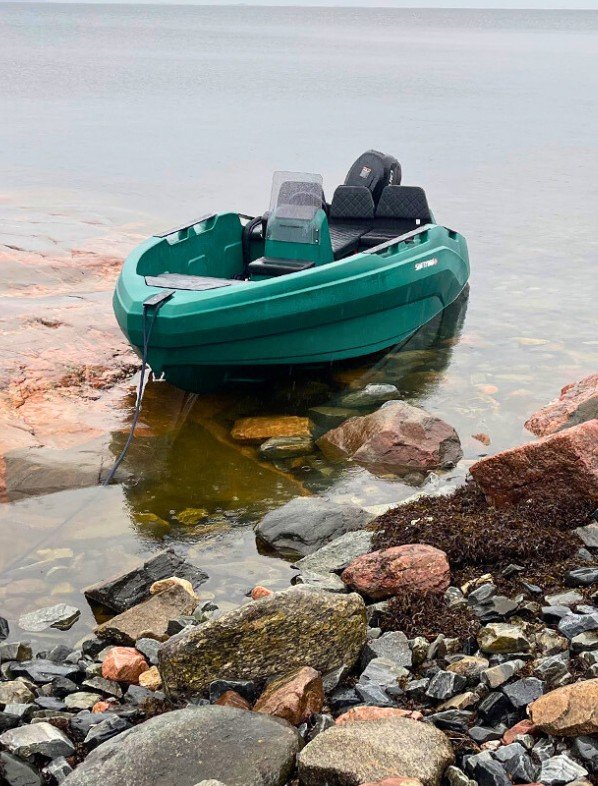
Ideal for shallow or rocky areas – perfect for Montenegro’s bays and coastal terrain.
Things to Consider:
HDPE is less rigid than aluminium, so very large boats require internal bracing for structure.
The matte surface doesn’t have the glossy “showroom” finish of aluminium or fiberglass.
Slightly heavier than aluminium in some configurations.
Still, for private owners and commercial users who value reliability and low maintenance, HDPE is one of the most practical and durable materials available today.
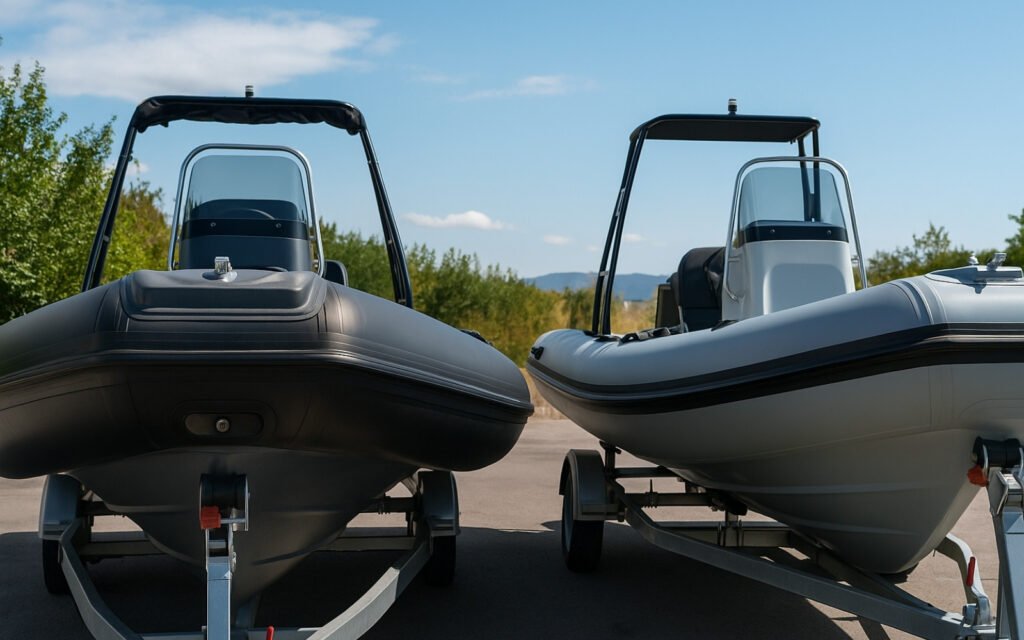
Aluminium Hulls – Precision and Performance
Aluminium has been a favorite in marine construction for decades — strong, lightweight, and efficient. These boats are often chosen for their rigidity and performance.
Main Advantages:
High stiffness and structural strength – maintains shape even under heavy loads.
Lightweight for its size – excellent for planing and speed.
Premium appearance – can be painted or polished for a sleek, modern look.
Proven in professional use – trusted in patrol, rescue, and expedition operations.
Things to Consider:
Requires regular inspection for galvanic corrosion, especially in saltwater.
Can dent upon impact — unlike HDPE, which flexes.
Needs coating or paint for full protection and aesthetics.
Generally higher cost for fabrication and maintenance.
For boaters focused on performance and aesthetics, aluminium remains an outstanding choice — especially for open-sea navigation and larger vessel builds.
How to Choose for the Adriatic
The Adriatic Sea around Montenegro offers a wide range of conditions — from calm bays like Kotor to open coastal routes with rocky shorelines. Here’s how to decide:
Choose HDPE if you want a boat that can be easily beached, used daily, and stored without worrying about corrosion or hull damage.
Choose Aluminium if you prefer higher speed, premium look, and slightly stiffer handling on open waters.
For most users in Montenegro — divers, private owners, and coastal professionals — HDPE offers unmatched practicality and peace of mind.
Cost and Maintenance
When comparing materials, it’s not just about the initial price — it’s about long-term ownership.
HDPE: Lower yearly costs, minimal maintenance, no painting or polishing required.
Aluminium: Slightly higher upkeep, especially for protective coatings and corrosion control, but excellent long-term value and resale potential.
Over time, HDPE typically saves money through reduced maintenance and downtime — especially in saltwater environments.
Quick Comparison
| Feature | HDPE Hull | Aluminium Hull |
|---|---|---|
| Durability | Extremely impact-resistant, flexible | Rigid, strong, can dent on impact |
| Corrosion Resistance | 100% resistant to saltwater and chemicals | Needs coating; can corrode over time |
| Maintenance | Very low – no painting or antifouling | Moderate – requires care and inspection |
| Finish | Matte, industrial look | Polished or painted finish possible |
| Weight | Slightly heavier | Lighter for larger builds |
| Ideal For | Shallow water, beaching, heavy use | High-speed cruising, open waters |
Repforn Lda Insight – Real Experience in Montenegro
As the official distributor of SeaStorm RIBs in Montenegro, Repforn Lda has real-world experience with both materials in local conditions.
Our team works directly with customers to help them choose, configure, and maintain their boats based on how and where they use them.
We know the Adriatic — from the marinas in Tivat and Kotor, to the open waters off Bar and Herceg Novi — and we tailor every recommendation to fit the environment and usage pattern.
Whether you’re choosing a rugged HDPE hull or a sleek aluminium one, our goal is the same: long-term reliability and performance that outlasts every wave.
FAQ Summary
Q: Which hull type requires less maintenance?
HDPE — it needs almost no care apart from rinsing and periodic checks.
Q: Which material performs better in rough seas?
Aluminium offers more rigidity for open-sea navigation, while HDPE provides unmatched impact resistance.
Q: Can I customize my boat?
Yes — Repforn Lda offers full configuration options for both materials, including motor, color, console type, and accessories.
Q: Which material is better for long-term ownership?
HDPE saves more on maintenance and time, while aluminium maintains strong resale value. The right answer depends on how you use your boat.
Conclusion
Both HDPE and aluminium hulls represent excellent choices — the difference lies in how you use your boat.
If your priority is ease, toughness, and low maintenance, go with HDPE.
If you prefer speed, precision, and a refined finish, aluminium might be your choice.
Whatever you decide, Repforn Lda is here to guide you through every step — from consultation to delivery and service.
We’ll help you find the perfect balance between engineering performance and everyday practicality.
Have a Question? Ask Before You Decide.
Choosing the right hull material isn’t always simple — and that’s why we’re here.
Send us a short message or call directly, and we’ll help you compare models, pricing, and configurations.
📞 +382 68 008 758